

Boise winters drop below freezing, and summers regularly push past 100 degrees. That kind of range means your heating and cooling system isn’t optional equipment — it’s the backbone of a livable home. When something goes wrong, or when it’s time to upgrade, finding the right Boise HVAC services can make the difference between a quick fix and a months-long headache. Here’s how to cut through the noise and choose a company you can count on.
Why the Right HVAC Company Matters More Than You Think
Not all HVAC contractors operate at the same level. Some are licensed, insured, and fully trained on modern systems. Others cut corners, use substandard parts, or disappear after the install. In a market like Boise — where demand spikes during heat waves and cold snaps — fly-by-night operations are more common than homeowners expect.
Working with the wrong company costs you in real ways. A poorly installed furnace can void your manufacturer warranty. An oversized AC unit will short-cycle, wear out faster, and leave your home humid even when it’s running. Choosing reliable Boise HVAC services from the start protects your investment and keeps your system running efficiently for years.
What You’re Actually Paying For
When you hire a reputable HVAC company, you’re not just paying for the labor on that one visit. You’re paying for proper equipment sizing, accurate diagnosis, code-compliant installation, and someone who stands behind their work. That’s worth more than a rock-bottom quote from a contractor you’ve never heard of.
Start With Licensing and Insurance
Idaho requires HVAC contractors to hold a valid state license, and any legitimate company operating in Boise should carry both general liability insurance and workers’ compensation coverage. Before you schedule a service call or sign an estimate, ask for proof of both.
Licensing means the technicians working in your home have passed testing on mechanical systems, safety codes, and proper installation practices. Insurance means you’re protected if something goes wrong — a refrigerant leak, equipment damage, or an injury on your property. Skipping this step is one of the most common mistakes Boise homeowners make, and it can be expensive to correct after the fact.
It’s also worth verifying that the license is current, not just that one exists. Idaho’s Division of Building Safety maintains a public contractor lookup tool, and a quick search takes less than two minutes. A company with an expired license is operating illegally, and any work performed under that license may not pass inspection or honor warranty claims.
NATE Certification Is a Strong Signal
The North American Technician Excellence (NATE) certification is the industry standard for HVAC technicians. It requires passing rigorous exams on installation and service across different system types. When a company employs NATE-certified technicians, it means their team has demonstrated real competency — not just time on the job. Look for this credential when comparing Boise HVAC services.
Some companies advertise NATE certification at the company level, which typically means at least a portion of their technicians hold the credential. That’s a good sign, but it’s also fair to ask whether the specific technician being dispatched to your home is certified. The more transparency a company offers on this point, the more confidence you can have in the quality of the work.
Check Reviews — But Read Them Carefully
Online reviews are useful, but only if you read them critically. A company with a hundred five-star reviews and a single response template for every complaint tells a different story than one with eighty reviews where someone actually addressed problems in detail.
Focus on patterns. Are multiple reviewers mentioning late arrivals? Surprise charges on the final invoice? Technicians who couldn’t explain what they found? These patterns matter more than individual scores. Also pay attention to how a company responds to negative reviews — professionalism in a dispute says a lot about how they handle business overall.
Ask Your Neighbors
Boise is a community-oriented city, and word-of-mouth still matters here. If your neighbor just had their furnace replaced or got a new AC unit installed, ask how the experience went. Local Facebook groups and Nextdoor are also practical resources for getting unfiltered recommendations from people in your specific area of the Treasure Valley.
Understand What Services a Company Actually Offers
Some HVAC companies specialize in one area — new installations, for instance — while others offer full-service support across repairs, maintenance, and replacements. Knowing what you need helps you find the right match.
Routine Maintenance
Annual tune-ups are one of the most cost-effective things you can do for your HVAC system. A technician will clean components, check refrigerant levels, test electrical connections, and catch small issues before they become big ones. In a climate like Boise’s, skipping maintenance is a gamble — systems pushed hard without care fail faster.
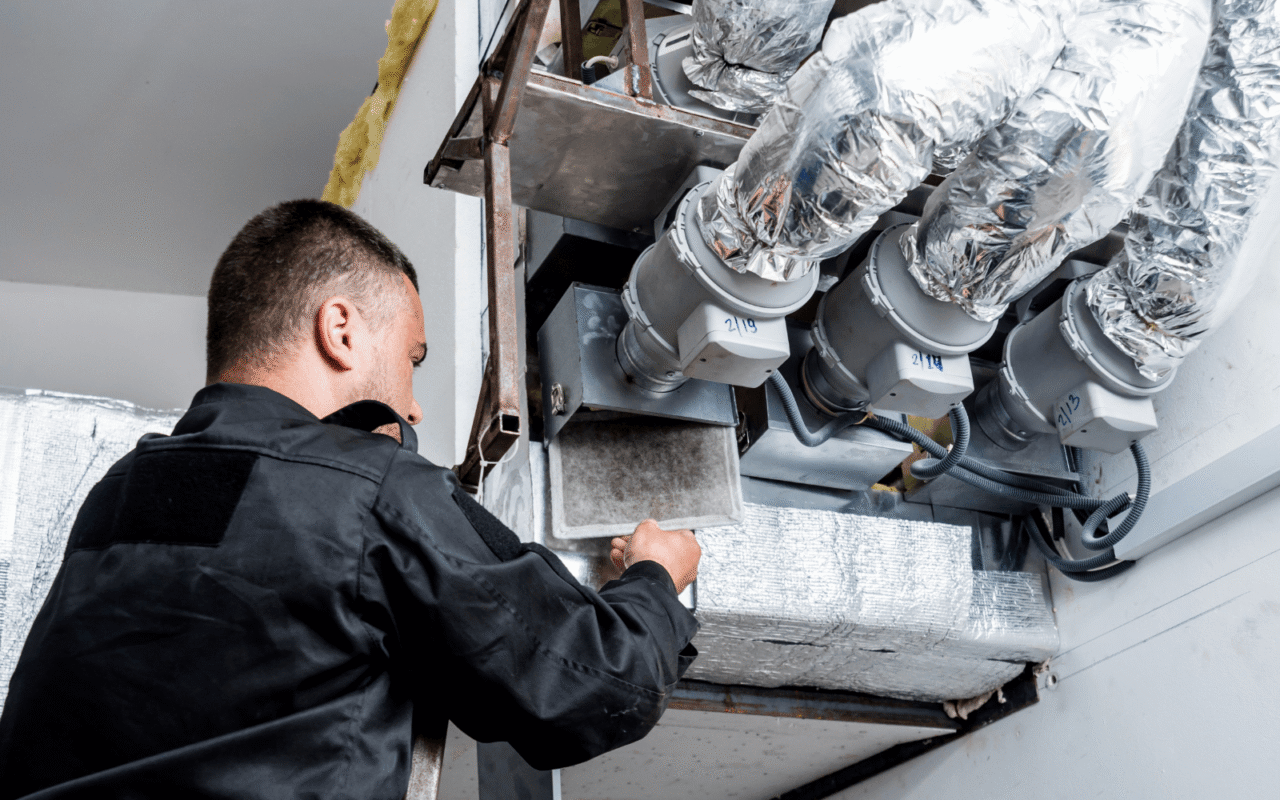
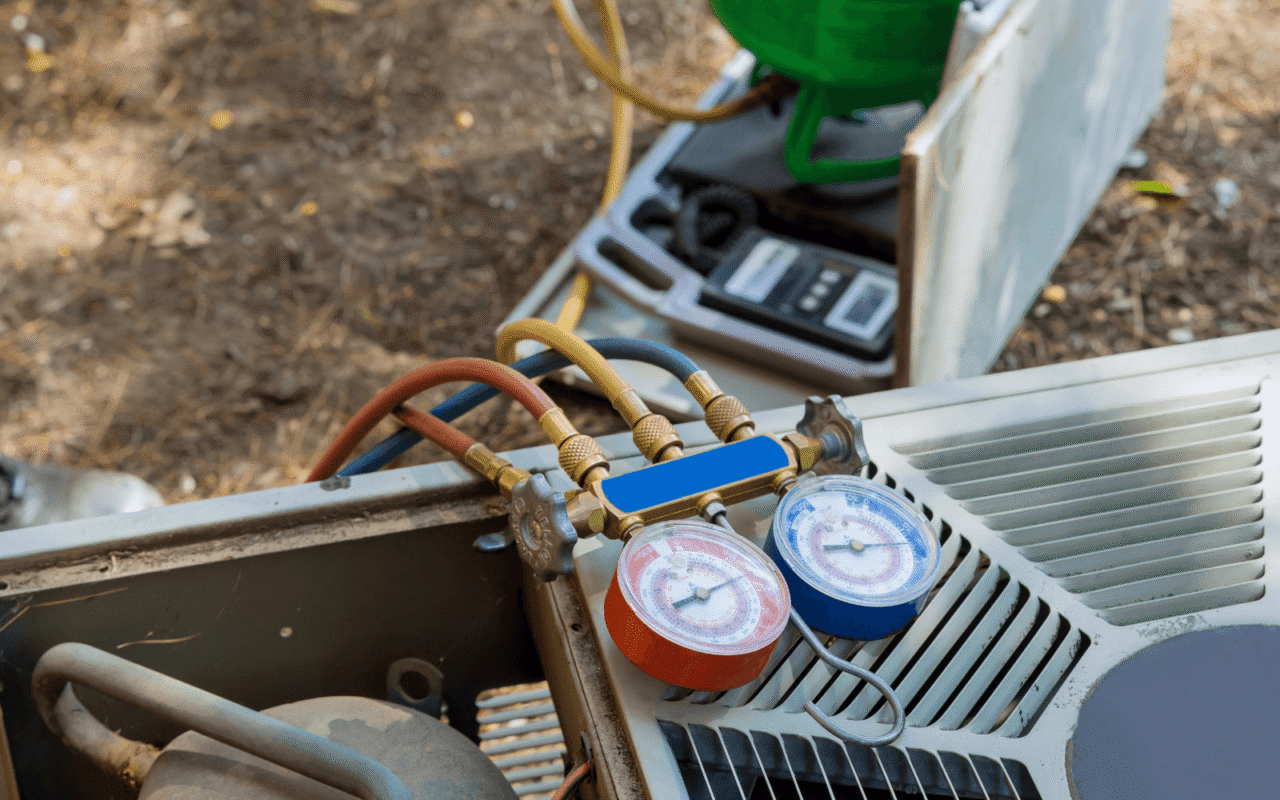
During a typical maintenance visit, a technician should inspect and clean the evaporator and condenser coils, check the blower motor and belt, test the thermostat calibration, inspect the flue and heat exchanger for safety issues, and verify that refrigerant charge is within spec. If a company’s tune-up is just a filter swap and a visual pass, that’s not adequate preventive care.
Emergency Repairs
Reliable Boise HVAC services should include emergency repair options. A furnace that goes down at 10 PM in January isn’t a problem you can wait until Monday to solve. Ask any prospective company whether they offer after-hours service and what their response time looks like. Some companies advertise 24/7 availability but have limited technician coverage — clarifying this before you need it saves real stress.
When you call about an emergency, pay attention to how the company handles the interaction. Do they ask clarifying questions about your system and symptoms, or do they just take your address and give you a vague ETA? A company that gathers information upfront arrives better prepared, which means faster resolution for you.
System Replacements and Upgrades
When it’s time to replace an aging system, the right company will perform a Manual J load calculation to properly size the new equipment for your home. This calculation accounts for your square footage, insulation levels, window placement, and local climate conditions. A company that skips this step and just replaces your old unit with the same size is cutting corners. Proper sizing affects efficiency, comfort, and equipment lifespan.
Get Multiple Estimates — and Compare Them Fairly
Getting two or three estimates is standard practice and a smart move. But comparing estimates isn’t just about the bottom line. You need to compare what’s actually included.
One quote might cover equipment only, with labor billed separately. Another might include a full system flush, new refrigerant, and a one-year parts-and-labor warranty. A third might offer the cheapest upfront cost but use off-brand components that won’t hold up in Boise’s temperature extremes. Look at the scope of work, the equipment brands specified, and the warranty terms before making a decision based on price alone.
Don’t Let Pressure Drive the Decision
A reputable HVAC contractor won’t push you to sign on the spot. High-pressure tactics — “this price is only good today” or “you really need to replace this immediately” — are red flags. Trustworthy Boise HVAC services give you time to review the estimate, ask questions, and make a thoughtful decision. If a company is creating urgency that doesn’t feel grounded in real urgency, walk away.
Ask the Right Questions Before You Hire
Once you’ve narrowed your list, a short conversation can tell you a lot. Here’s what to ask:
How long have you been serving the Boise area?
Local experience matters. A company that’s been working in the Treasure Valley for years understands the specific demands of this climate — the dry summers, the hard winters, and the dust that rolls in during fire season.
What brands do you work with, and why?
Equipment quality varies significantly. A company that can explain why they prefer certain manufacturers — and back it up with performance data or warranty information — is operating with more expertise than one that installs whatever costs the least.
What does your warranty cover?
You want to understand both the manufacturer warranty on equipment and the labor warranty the company provides. A strong labor warranty (one to two years is common for reputable shops) signals that a company stands behind the quality of their work.
Who will be in my home?
Some HVAC companies use subcontractors rather than in-house technicians. That’s not automatically a problem, but you deserve to know — and to confirm that whoever shows up is licensed and insured.
Watch for These Red Flags
Even with careful research, a few warning signs should stop you cold. Be cautious of any company that:
Asks for full payment upfront before work begins. Legitimate contractors typically ask for a deposit, not the full amount. Doesn’t provide a written estimate. If it’s not in writing, prices and scope can shift. Diagnoses a major repair over the phone without inspecting the system. No honest technician will tell you that you need a compressor replacement without seeing the unit. Lacks a physical business address in the Boise area. Pop-up operations often disappear after taking payment.
These situations are more common during peak season — in July when every AC in the valley is straining, or in January when furnaces are giving out. That’s exactly when scam operators ramp up. Doing your research before an emergency puts you in a much better position.
Maintenance Plans Are Worth Considering
Many reputable Boise HVAC services companies offer annual maintenance plans that cover two seasonal tune-ups — one in the fall before heating season, one in the spring before cooling season. These plans often include priority scheduling, discounts on repairs, and reminders so the service doesn’t slip through the cracks.
If you have an older system or a home where HVAC reliability is especially important, a maintenance plan is a practical investment. The cost of the plan is usually offset within the first service visit, and you get the added benefit of having a company that already knows your system when something goes wrong.
Local Knowledge Makes a Real Difference
Boise’s climate sits in a unique pocket. The valley gets intense summer heat, cold and sometimes snowy winters, and periods of heavy smoke from regional wildfires that clog filters and degrade air quality. A company with deep roots in this area understands those conditions and can recommend equipment and maintenance schedules built around them.
That local expertise shows up in practical ways — a technician who knows how to protect outdoor condenser units from Boise’s summer dust, or one who recommends a specific MERV rating for air filters during fire season. This kind of experience isn’t something you can get from a national franchise or an out-of-area contractor just passing through.
Local companies also tend to have established relationships with equipment suppliers and distributors in the region. That matters when you need a specific part fast. A contractor who orders everything through a national supply chain may leave you waiting days for a component that a locally-connected company can source the same day. In the middle of a Boise summer with temperatures climbing toward 105, that turnaround time is anything but trivial.
There’s also the accountability factor. A company that’s built its reputation serving Treasure Valley homeowners for years has more skin in the game than one that rolled into town last spring. Local ownership means someone who lives and works in this community is invested in doing the job right.
Frequently Asked Questions About Boise HVAC Services
How often should I have my HVAC system serviced in Boise?
Most HVAC manufacturers and contractors recommend two maintenance visits per year — one in the fall before heating season begins and one in the spring before you start leaning on your air conditioning. Boise’s climate makes both visits worth doing. The summer cooling season is long and intense, and the heating season gets genuinely cold. Catching issues during a tune-up is far less disruptive and expensive than dealing with a breakdown in peak season.
How do I know if my HVAC system needs to be repaired or replaced?
Age and repair history are the two biggest factors. Most furnaces last 15 to 20 years, and central air conditioning systems typically have a lifespan of 12 to 15 years. If your system is approaching or past those ranges and you’re facing a repair that costs more than half the price of a new unit, replacement usually makes more financial sense. A trustworthy Boise HVAC services company will give you an honest assessment rather than push you toward whichever option generates more revenue.
What should I do if my AC stops working in the middle of summer?
Check your thermostat settings and make sure the filter isn’t completely clogged — both are surprisingly common culprits. Also check your circuit breaker to confirm the system is getting power. If none of those resolve it, call a licensed HVAC contractor. Avoid running the system repeatedly if it’s short-cycling or making unusual noises, as that can cause additional damage. A company offering emergency Boise HVAC services should be able to dispatch someone quickly during peak season.
Are there energy-efficient HVAC options worth considering in Boise?
Yes. High-efficiency heat pumps have become a strong option for the Treasure Valley climate — they handle both heating and cooling, and modern cold-climate models perform well even when temperatures drop. Variable-speed systems are another upgrade worth discussing with your contractor. They run more consistently at lower speeds rather than cycling on and off at full power, which reduces wear and improves both efficiency and comfort. A good HVAC contractor can walk you through the options that make sense for your home’s size and layout.
How long does an HVAC installation typically take?
A standard system replacement — swapping out an existing furnace or air conditioner for a new unit — usually takes one full day for an experienced crew. More complex installs, like adding ductwork or installing a new system in a home that didn’t previously have central HVAC, can take two to three days. Ask your contractor for a clear timeline before work begins so you can plan accordingly.
Finding the right HVAC company isn’t complicated, but it does take a little due diligence. Start with licensing and insurance, look for NATE-certified technicians, read reviews with a critical eye, and get written estimates from more than one company. Ask direct questions, watch for pressure tactics, and prioritize local experience over the lowest price.
Your HVAC system is one of the hardest-working parts of your home. Boise’s climate doesn’t give it much of a break. Working with a company you can trust means fewer surprises, longer equipment life, and a home that stays comfortable no matter what the season brings. For more information, visit our website https://ymcinc.com/ or call us at (208) 888-1727.