

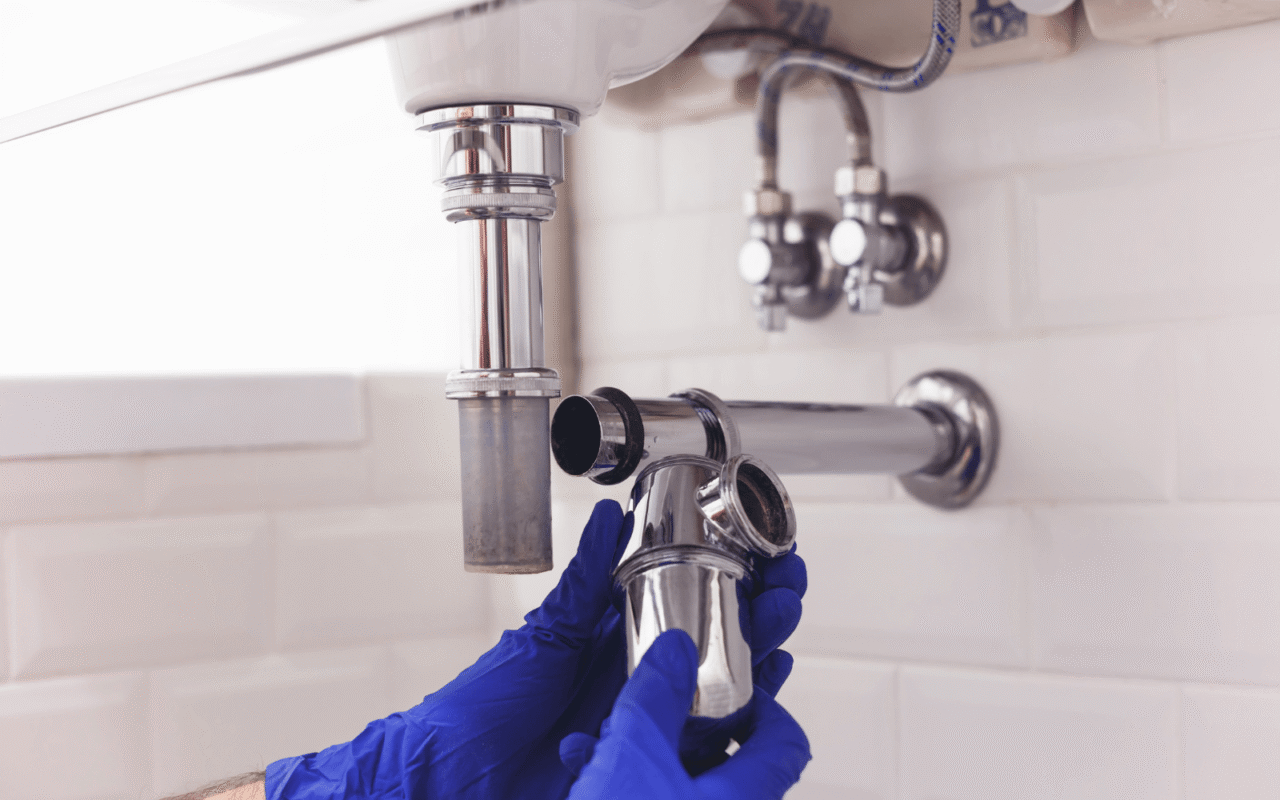
A leaking pipe, a backed-up drain, or a water heater that stops working without warning can bring your day to a halt fast. Whether you’re a homeowner in the North End or a business owner in the Meridian corridor, finding reliable Boise plumbing services before an emergency happens is one of the smartest things you can do for your property. This guide walks you through exactly what to look for — and what to avoid — when choosing a plumber in the Treasure Valley.
Why Choosing the Right Plumber Matters
Plumbing work done poorly doesn’t just fail to fix the problem. It can make things significantly worse. A misdiagnosed leak can lead to mold inside your walls. An incorrectly installed water heater can create a carbon monoxide risk. Shoddy drain work can result in sewage backing up into your home or commercial space. The consequences of hiring the wrong contractor range from inconvenient to genuinely dangerous.
In Boise’s growing market, the number of plumbing contractors has grown alongside the population. That’s good for competition, but it also means there are more unqualified operators in the mix. Doing a little research upfront saves you from a much bigger problem down the road.
The Cost of Cutting Corners
Low bids are tempting, especially when you’re already stressed about an unexpected repair. But a plumber who undercuts every competitor is usually cutting something else — experience, materials, insurance, or time on the job. When a plumbing repair fails six months later because it was done with the wrong fittings or skipped a critical step, you pay twice. Choosing quality Boise plumbing services the first time is almost always the more economical path.
Verify Licensing and Insurance Before Anything Else
Idaho requires plumbers to hold a state-issued license, and any reputable contractor working in Boise should carry both general liability insurance and workers’ compensation coverage. These aren’t bureaucratic formalities — they’re protections for you.
A licensed plumber has passed state exams covering code compliance, safety practices, and proper installation techniques. That knowledge matters when a job involves your water supply, your gas lines, or your sewer connection. Insurance coverage means that if a technician damages your flooring during a repair or gets injured on your property, you’re not left holding the bill.
Ask for license and insurance documentation before work begins. Idaho’s Division of Building Safety offers a public lookup tool where you can verify contractor licenses directly. Any company that resists providing this information should be crossed off your list immediately.
The Difference Between Licensed and Certified
Some plumbing contractors advertise certifications from trade associations or manufacturers. These can be meaningful — a certification from a water heater brand, for instance, may indicate specialized training on that equipment. But certifications are not a substitute for a valid state plumbing license. Make sure any contractor you’re considering holds both.
Look for Local Experience in the Treasure Valley
Boise’s infrastructure has a wide range of ages and conditions. Older homes in established neighborhoods like the North End or Bown Crossing may have galvanized steel pipes that are decades past their best years. Newer construction in Eagle or Meridian comes with its own set of considerations around pressure regulators, tankless water heaters, and modern fixture installations.
A plumber with deep local experience understands these variables. They know which neighborhoods are likely to have aging sewer laterals, how Boise’s water chemistry affects certain pipe materials over time, and what permitting requirements the city expects on different types of jobs. That regional knowledge translates to faster diagnosis, fewer surprises, and work that holds up long term.
Community Ties Signal Accountability
A plumbing company that has operated in the Treasure Valley for years has a reputation to protect here. They rely on referrals from Boise homeowners and local businesses. That accountability shapes how they operate — they can’t afford to do sloppy work and move on, because their next customer likely knows their last one. Contractors without local roots don’t carry that same incentive.
Read Reviews With a Critical Eye
Online reviews are a useful research tool, but they require some interpretation. A five-star average built on twenty reviews tells a different story than one built on two hundred. Look for patterns across reviews rather than fixating on individual ratings.
What are multiple reviewers saying about punctuality? Are there recurring complaints about billing surprises or scope creep? Do technicians explain their findings clearly, or do customers feel rushed and confused? These patterns reveal how a company actually operates day to day.
Also look at how the company responds to negative reviews. A contractor who responds professionally, acknowledges concerns, and offers to make things right is demonstrating the same approach they’ll take if something goes sideways on your job. A defensive or dismissive response to criticism is a preview of what you’ll deal with if there’s a dispute.
Ask Around in Your Community
Boise residents talk to each other. Nextdoor, local Facebook groups, and conversations with neighbors are still among the most reliable ways to find contractors who have actually earned their reputation in your specific area. If someone on your street just had a major plumbing job completed and raves about the company, that recommendation carries real weight.
Understand What Services the Company Provides
Not every plumbing contractor handles every type of job. Some focus primarily on residential service calls. Others specialize in commercial plumbing or new construction. Knowing what you need helps you find the right fit — and ensures the company you hire has genuine expertise in your situation.
Residential Plumbing Services
For homeowners, common needs include leak detection and repair, drain cleaning, water heater service and replacement, fixture installation, pipe repiping, and sewer line inspection or repair. A full-service residential plumber should handle all of these without subcontracting portions of the work to unknown parties.
Commercial Plumbing Services
Commercial properties have different demands. Higher water usage, more complex pipe systems, and stricter code requirements all factor in. A plumber experienced in commercial work understands the importance of minimizing downtime — a broken restroom or a failed water heater in a restaurant has immediate business consequences. Ask specifically about commercial experience if you’re managing a business property.
Emergency Plumbing
Plumbing emergencies don’t wait for business hours. A burst pipe or a sewage backup at midnight needs immediate attention. Look for Boise plumbing services that offer genuine after-hours emergency response — not just an answering service that schedules you for the next morning. Ask what their typical response time is for emergencies and whether they charge a separate after-hours rate so you’re not surprised by the invoice.
Get Written Estimates and Compare Them Carefully
Any reputable plumbing contractor should provide a written estimate before work begins. This document should break down labor costs, materials, expected timeline, and what’s included in the scope of work. If a contractor only gives you a verbal number, that’s a setup for disputes later.
When comparing estimates from multiple companies, look beyond the total. One estimate may include a camera inspection of your sewer line as part of a drain repair. Another may not. One may use name-brand fixtures you can research, while another leaves the materials unspecified. Understanding what each estimate actually covers helps you make a fair comparison.
Flat-Rate vs. Hourly Pricing
Plumbing companies price their work differently. Flat-rate pricing gives you a set cost for a defined job, regardless of how long it takes. Hourly pricing charges for time and materials. Neither model is inherently better, but you should understand which one you’re working with before the technician starts. Flat-rate pricing offers predictability. Hourly pricing can be advantageous on straightforward jobs that get done quickly. Ask how a company structures its pricing and make sure it’s documented in your estimate.

Watch for Red Flags
Even with careful vetting, a few warning signs should give you pause. Be cautious of any Boise plumbing services company that demands full payment before the work is complete. Standard practice is a deposit up front with the balance due upon completion. A contractor who won’t put anything in writing is also a problem — verbal agreements leave you with no recourse if the scope or price changes.
Be skeptical of dramatically low bids. If one estimate is significantly lower than every other quote you received, there’s usually a reason. It may mean the contractor is unlicensed, uninsured, planning to use substandard materials, or underestimating the job in a way that leads to change orders later.
Finally, avoid any company that diagnoses a major problem without inspecting your system. A plumber who tells you over the phone that you need a full repipe based on a brief description of your symptoms is guessing — or upselling. A trustworthy contractor will inspect the system before recommending significant work.
Maintenance Agreements and Long-Term Relationships
Some plumbing companies offer maintenance agreements that include annual inspections, priority scheduling, and discounts on service calls. For homeowners with older plumbing systems or for commercial property managers, these agreements can be worth the investment. Regular inspections catch deteriorating pipes, water pressure issues, and water heater wear before they turn into emergencies.
There’s also value in developing a long-term relationship with a single plumbing company. A contractor who knows your home’s plumbing history — what’s been replaced, what’s original, where the shutoffs are — can diagnose problems faster and make better recommendations. That continuity pays off over time.
Frequently Asked Questions About Boise Plumbing Services
How do I know if I need to repipe my home?
Several signs point toward aging or failing pipes. Discolored water coming from your taps, frequent leaks in different parts of the house, low water pressure throughout the home, and visible corrosion on exposed pipes are all indicators. Homes built before 1970 may have galvanized steel pipes that have deteriorated significantly. A licensed plumber can assess your system and give you an honest recommendation — repipes are a significant investment, and a trustworthy contractor will tell you if yours can wait.
What’s the difference between a drain cleaning and a hydro jet service?
Standard drain cleaning uses a mechanical snake to break up or remove blockages. Hydro jetting uses high-pressure water to thoroughly clean the interior walls of your pipes, removing buildup, grease, and roots more completely. Hydro jetting is more thorough and is often recommended for recurring blockages or older drain lines with significant buildup. Your plumber can recommend which approach makes sense based on what they find during an inspection.
How long does a water heater installation take?
A standard water heater replacement typically takes two to four hours for an experienced plumber. Tankless water heater installations can take longer — sometimes a full day — especially if the job requires upgrades to gas lines or electrical connections. Ask your contractor for a realistic timeline so you can plan for the water being off during the work.
Do I need a permit for plumbing work in Boise?
Many plumbing projects in Boise require a permit, including water heater replacements, sewer line repairs, and any work that involves moving or adding supply or drain lines. A licensed plumber will know which permits apply to your job and should handle the permitting process as part of their service. Be wary of any contractor who suggests skipping permits — unpermitted work can create problems when you sell your home and may not be covered by your homeowner’s insurance if something goes wrong.
How can I reduce the risk of plumbing emergencies?
Annual plumbing inspections are the most effective preventive measure. Beyond that, knowing where your main water shutoff is located and making sure it works properly can limit damage significantly if a pipe bursts. Insulating pipes in unconditioned spaces helps during Boise’s cold winters. Avoiding putting grease, wipes, or fibrous materials down drains reduces the risk of blockages. Small habits and routine maintenance go a long way toward keeping your plumbing system out of emergency territory.
The Bottom Line on Finding the Right Boise Plumbing Services
The right plumbing contractor is licensed, insured, experienced in your type of property, and willing to put everything in writing. They give you clear estimates, explain what they find, and don’t pressure you into repairs you don’t need. For Boise homeowners and business owners, taking the time to vet a plumber before an emergency strikes puts you in a far stronger position when something inevitably goes wrong. Quality Boise plumbing services aren’t hard to find — but they do require a little due diligence to identify. For more information, visit our website https://ymcinc.com/ or call us at (208) 888-1727.